Unlocking Dreams: The Transformative Power of Daydreaming
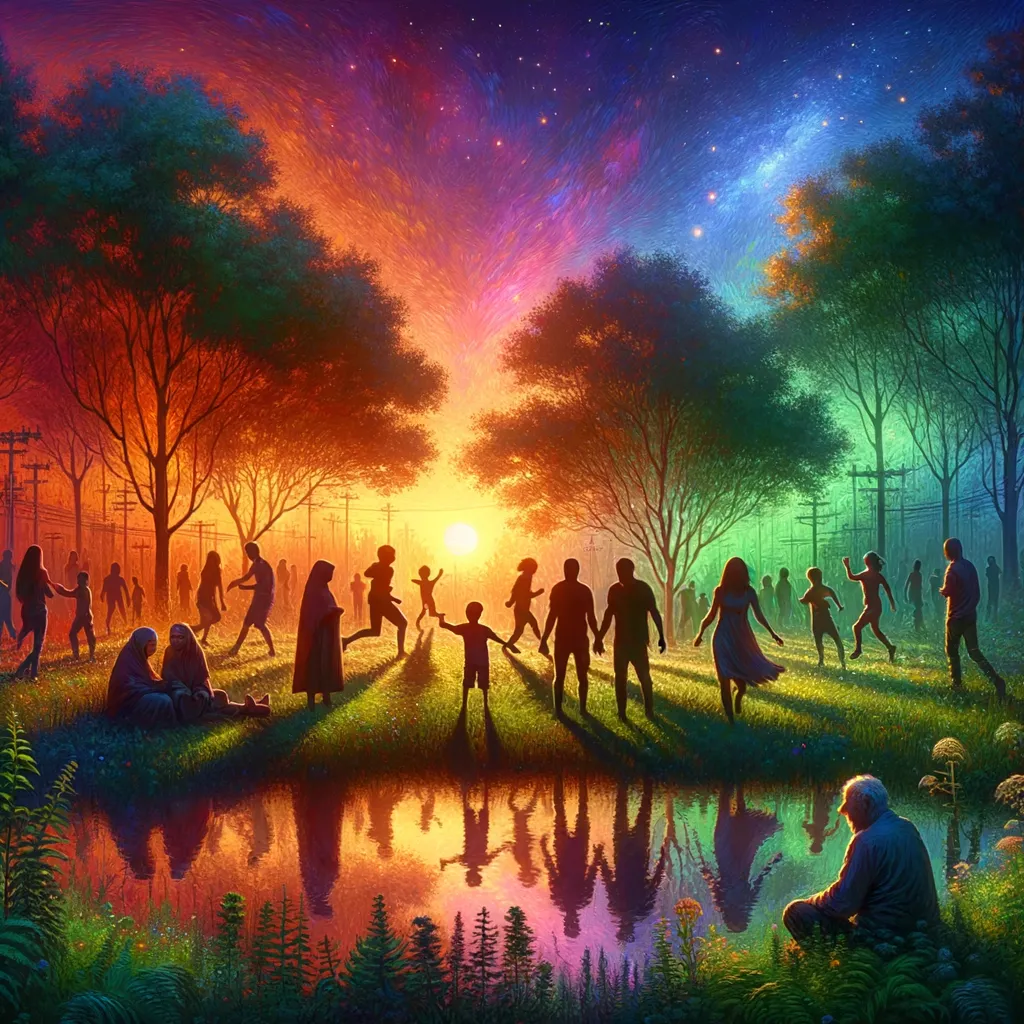
At the intersection of reality and imagination, a crisp autumn day unfolds, revealing the hidden treasures of daydreaming. Leaves dance around, whispering secrets that inspire a manifesto celebrating this art as a vital form of mental exploration, inviting the mind to wander through uncharted territories of potential. As the sun casts a golden glow, the power of daydreaming to nurture emotional resilience becomes evident, offering solace and strength amidst life’s challenges. With a nod to the innovative sparks ignited by unfocused thought, the call to reclaim daydreaming emerges, urging a shift in societal perceptions that view it as mere distraction. As stars twinkle overhead, the manifesto culminates in an invitation to embrace dreams unapologetically, painting life’s canvas with vibrant colors that enrich both individual and communal experiences.
In the memory of October 11, 2018, I found myself standing at the crossroads of reality and imagination, pondering the beauty and necessity of daydreaming. It was a crisp autumn day, leaves swirling like confetti around me, each one whispering secrets of inspiration. This moment, seemingly ordinary, was a reminder that daydreaming is not merely a diversion from life, but a profound act of creativity and self-discovery. It dawned on me that a manifesto could be crafted, one that champions the art of daydreaming, celebrating its power to transform the mundane into the extraordinary.
The first argument in this manifesto would assert that daydreaming is a vital form of mental exploration. In a world that often prioritizes productivity over imagination, it is easy to dismiss these fleeting moments as frivolous. Yet, within the mind’s eye, uncharted territories await. Daydreaming allows us to traverse landscapes of our own design, where possibilities unfold like petals of a blooming flower. Each daydream is a glimpse into our potential, an invitation to envision lives we have yet to live. It offers a sanctuary where we can experiment with ideas, unencumbered by the constraints of reality.
As the sun dipped lower in the sky, casting a golden hue upon the world, the second argument would emerge: daydreaming nurtures emotional resilience. Life’s challenges can weigh heavily on our shoulders, and in those moments of quiet reverie, we find solace. The mind drifts to places where worries dissipate, allowing us to confront fears and desires in a safe space. It is in daydreaming that we can reframe our narratives, crafting endings that bring hope and healing. This mental retreat fosters a deeper understanding of ourselves, enabling us to emerge stronger and more prepared to face the realities of life.
The third pillar of this manifesto would highlight the connection between daydreaming and innovation. History has shown us that some of the most groundbreaking ideas have sprouted from the fertile soil of daydreams. Visionaries have often found themselves lost in thought, allowing their minds to wander freely. It is in these moments of unfocused thought that inspiration strikes, revealing solutions to problems that seemed insurmountable. Daydreaming encourages divergent thinking, pushing the boundaries of what is possible and igniting the spark of creativity that can lead to revolutionary advancements.
Yet, the manifesto would not shy away from addressing societal perceptions of daydreaming. The fourth argument would confront the stigma surrounding it, often viewed as laziness or distraction. This misconception dismisses the profound cognitive processes at play during these moments. Daydreaming is not an escape from reality, but rather an engagement with it on a different level. By reframing daydreaming as a legitimate and essential part of the creative process, we can foster a culture that values imagination as much as action.
As the evening deepened, a sense of urgency would rise within the manifesto, calling for a reclamation of daydreaming as a collective practice. The fifth argument would emphasize the importance of community in nurturing this art. Imagine a world where spaces are created for individuals to share their daydreams, where imagination is celebrated rather than stifled. Workshops, art installations, and even communal gardens could serve as arenas for collective dreaming, where ideas intertwine and flourish, enriching both individual and communal experiences.
The sixth point would highlight the role of daydreaming in fostering empathy. When we allow ourselves to dream, we open the door to understanding perspectives beyond our own. In these flights of fancy, we can step into the shoes of others, experiencing their joys and sorrows. This empathy, born from imagination, can bridge divides and foster a deeper sense of connection in a world that often feels fragmented. It becomes a tool for social change, inspiring us to act with compassion and understanding.
As the stars began to twinkle overhead, the manifesto would culminate in a call to action, inviting readers to embrace their daydreams unapologetically. Life is a canvas, and daydreaming offers the vibrant colors with which to paint our experiences. By giving ourselves permission to dream, we honor our innate creativity and foster a sense of wonder that can enrich our lives and the lives of those around us.
In conclusion, this manifesto would stand as a testament to the power of daydreaming—a celebration of its ability to unlock potential, build resilience, spark innovation, challenge societal norms, foster community, and cultivate empathy. As I reflected on that autumn day, surrounded by the whispers of leaves and the promise of dreams, I was left with a question that resonates deeply: What dreams lie dormant within you, waiting for the moment to take flight?
Daydreaming transforms the ordinary into extraordinary realms, inviting the imagination to dance freely among uncharted possibilities and hidden depths of self.