Discovering Apologies: Art’s Unexpected Healing Power
In a serendipitous moment of discovery, a dusty old sketchbook unveiled a vibrant tapestry of childhood memories, each drawing a portal to forgotten joy. As the colors danced before my eyes, a whimsical thought emerged: what if every apology was accompanied by a heartfelt sketch? This playful idea painted a world where crayon suns and stick-figure families could bridge gaps of misunderstanding, transforming conflict into connection. Among the pages, an illustration of outstretched arms under a tree captured the essence of reconciliation, whispering that vulnerability could soften even the hardest hearts. Ultimately, the exploration left me pondering a transformative truth—could the simple act of creating art redefine our relationships and inspire a deeper empathy in a world often veiled in discord?
In the memory of April 9, 2009, I stumbled upon an unexpected treasure buried within the pages of an old sketchbook. The vibrant colors of childhood memories danced before my eyes, each drawing a portal to a moment long forgotten. I was reminded of the simple joys and the profound lessons we often overlook as we grow older. This particular day, however, felt different, as if the universe was whispering a truth that had long been obscured by the cacophony of adult life. What if every apology we offered was accompanied by a simple drawing?
Imagining this scenario, I could see how the act of creating a visual representation of our remorse would transform the very fabric of conflict resolution. Picture a world where instead of mere words, a heartfelt sketch accompanied each “I’m sorry.” The innocence of a child’s drawing—a crayon sun shining brightly over a stick-figure family—could evoke the warmth of connection in the midst of discord. It would serve as a bridge between hearts, a tangible manifestation of vulnerability that words alone often fail to capture.
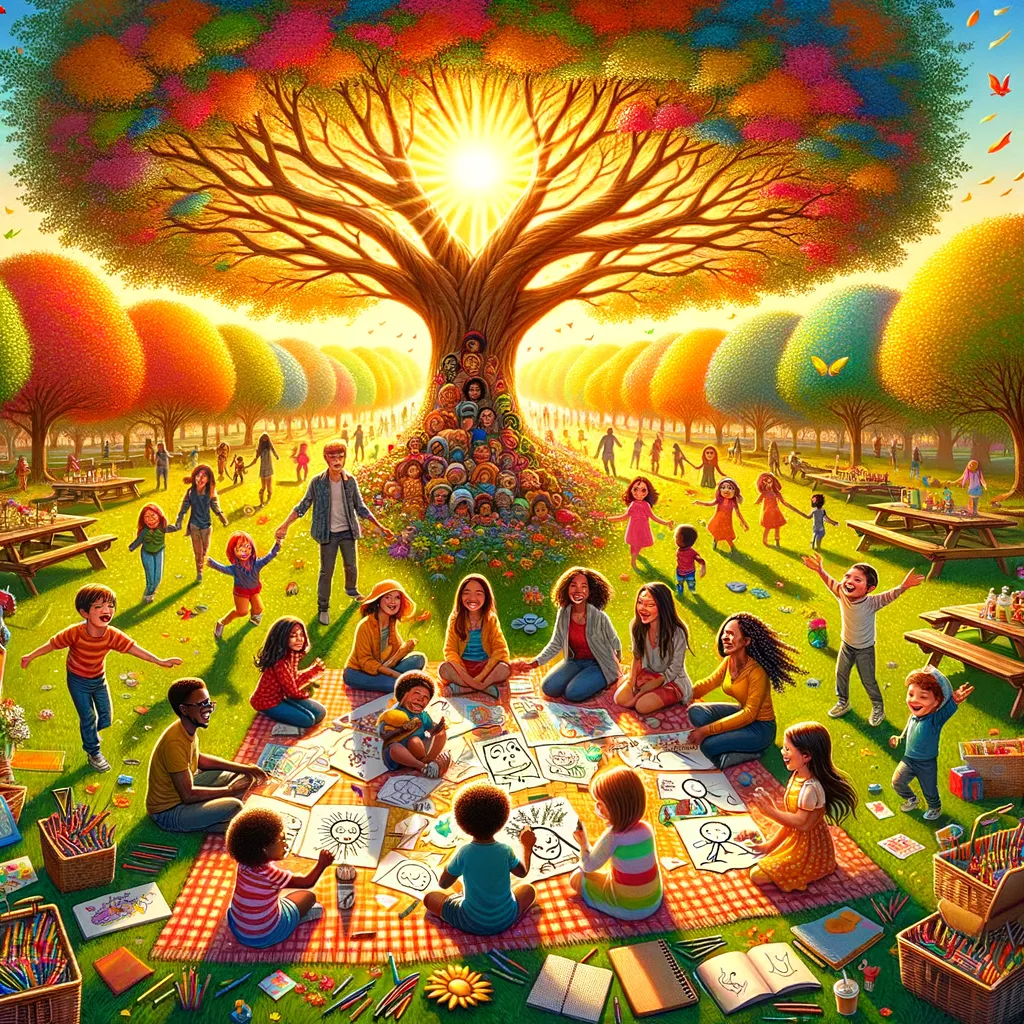
As I flipped through the pages, I came across a drawing of two figures under a tree, their arms outstretched toward one another. It struck me that this simple illustration encapsulated the essence of reconciliation: the desire to reach out, to connect. In a world consumed by misunderstandings, a drawing could dissolve barriers, making it easier to see the humanity in one another. The laughter of children echoed in my mind, reminding me that empathy often resides in the simplest forms of expression.
The act of drawing an apology could also shift the dynamics of power in a disagreement. Instead of wielding words like weapons, we would be inviting others into our creative world. It would be a gentle reminder that we are all flawed beings trying our best to navigate the complexities of relationships. The visual nature of this expression could soften the edges of our defenses, allowing space for reflection and understanding. In this realm, the pen would become mightier than the sword.
Moreover, I imagined the unexpected joy that would emerge from this practice. Think of the smiles sparked by a doodle, the laughter ignited by a clumsy attempt at artistry. An apology adorned with a quirky drawing could lighten the weight of guilt, transforming a moment of regret into an opportunity for shared laughter. Humor often acts as a balm, and the absurdity of a poorly drawn cat or a balloon could remind us that life is too short to take ourselves too seriously.
As I continued my exploration of the sketchbook, I found a drawing of a winding path leading toward a horizon painted in hues of orange and pink. It symbolized the journey of reconciliation—one that is often fraught with twists and turns. Each drawing could tell a story, a narrative of growth and understanding that transcends the initial hurt. It would invite both parties to walk together, hand in hand, toward a brighter future, leaving behind the shadows of past grievances.
Yet, as I pondered this idea, I felt a flicker of doubt. Would everyone embrace this artistic approach? Would some see it as trivializing their pain? The fear of judgment lurked like a specter in the background, reminding me that vulnerability is a double-edged sword. However, isn’t there beauty in the risk of opening oneself up to creative expression, even in the face of potential misunderstanding? Perhaps the act of drawing an apology could be the very act of bravery we need to foster connection.
As I closed the sketchbook, a sense of hope washed over me. The possibility of a world where apologies were adorned with art felt tantalizingly close. It was a dream of transformation, where the simple act of creating could lead to profound healing. In this vision, the healing power of creativity would illuminate paths previously shrouded in darkness, guiding us toward one another.
In the end, this exploration left me with a lingering question that echoed through the corridors of my mind: In a world where art and expression could redefine our most vulnerable moments, how might we learn to embrace our imperfections and deepen our connections with others?
Artistry has the power to transform apologies into bridges of understanding, illuminating the path to connection with vibrant strokes of vulnerability.