Unraveling Justice: A Journey Through Memory and Truth
Beneath a rain-laden sky, a wanderer retraces the worn streets of childhood, awakening buried memories that whisper of a simpler time when justice seemed a clear-cut line between right and wrong. As reflections of youthful innocence clash with the complexities of adult life, a high school debate becomes the catalyst for a profound awakening, revealing that justice is a labyrinth of shades rather than a straightforward path. Years later, encounters with the stories of those marginalized in society—particularly a resilient woman named Clara—transform justice into a living entity, breathing life into the struggles and triumphs of the human experience. The echoes of a friend wrongfully accused ripple through the community, illustrating the double-edged nature of justice and the collateral damage inflicted by those wielding it. Ultimately, the journey leads to a revelation that justice is a shared responsibility, calling out for collective action to amplify the unheard voices in a world desperately in need of empathy and understanding.
In the memory of June 7, 2003, I stood beneath a sky heavy with the promise of rain, a faint drizzle beginning to fall as I wandered through the worn streets of my childhood neighborhood. Each raindrop felt like a whisper of the past, stirring memories long buried beneath the weight of adult responsibility. That day, I was not just a visitor in a familiar landscape; I was a seeker on a quest to understand the essence of justice and how it had woven itself into the fabric of my life.
As I meandered past the weathered houses, I recalled the summer of my youth, when innocence cloaked my understanding of fairness. Back then, justice was a simple concept, a clear-cut line drawn between right and wrong, a certainty bolstered by the unwavering belief that good would always triumph over evil. However, the years had eroded that pristine view, exposing the complexities that lay beneath. It was a gradual awakening, one punctuated by moments of revelation that transformed my perception of justice from a static ideal into a fluid, multifaceted reality.
The first crack in my naive understanding came during a high school debate, where I found myself advocating for a controversial topic. The voices of my peers echoed around me, each argument a meticulously crafted weapon, and I felt the weight of my own convictions clash with the raw power of differing perspectives. I discovered that justice was not merely about winning; it was about grappling with the intricacies of human experience, where the lines of right and wrong often blurred into shades of gray. That moment ignited a curiosity in me, a yearning to dig deeper into the complexities of morality.
Years later, while volunteering at a local shelter, I encountered stories that would forever shift my understanding of justice. Each face told a tale of struggle, resilience, and often, betrayal by a system designed to protect. I found myself drawn to a woman named Clara, whose laughter belied the pain etched into her features. She spoke of dreams deferred, of a life interrupted by circumstance and choices made in desperation. Justice, I realized, was not just a concept upheld in courtrooms; it was a living, breathing entity that thrived in the hearts of those who sought to reclaim their narratives.
The sun broke through the clouds as I crossed a familiar intersection, each step echoing with the lessons learned along the way. It was here that I had witnessed a moment of profound injustice—a friend wrongfully accused of a crime he did not commit. The injustice not only shattered his world but sent ripples through our community, igniting conversations about fairness and accountability. In the aftermath, I learned that justice could be a double-edged sword, wielded by those in power with little regard for the collateral damage it could inflict.
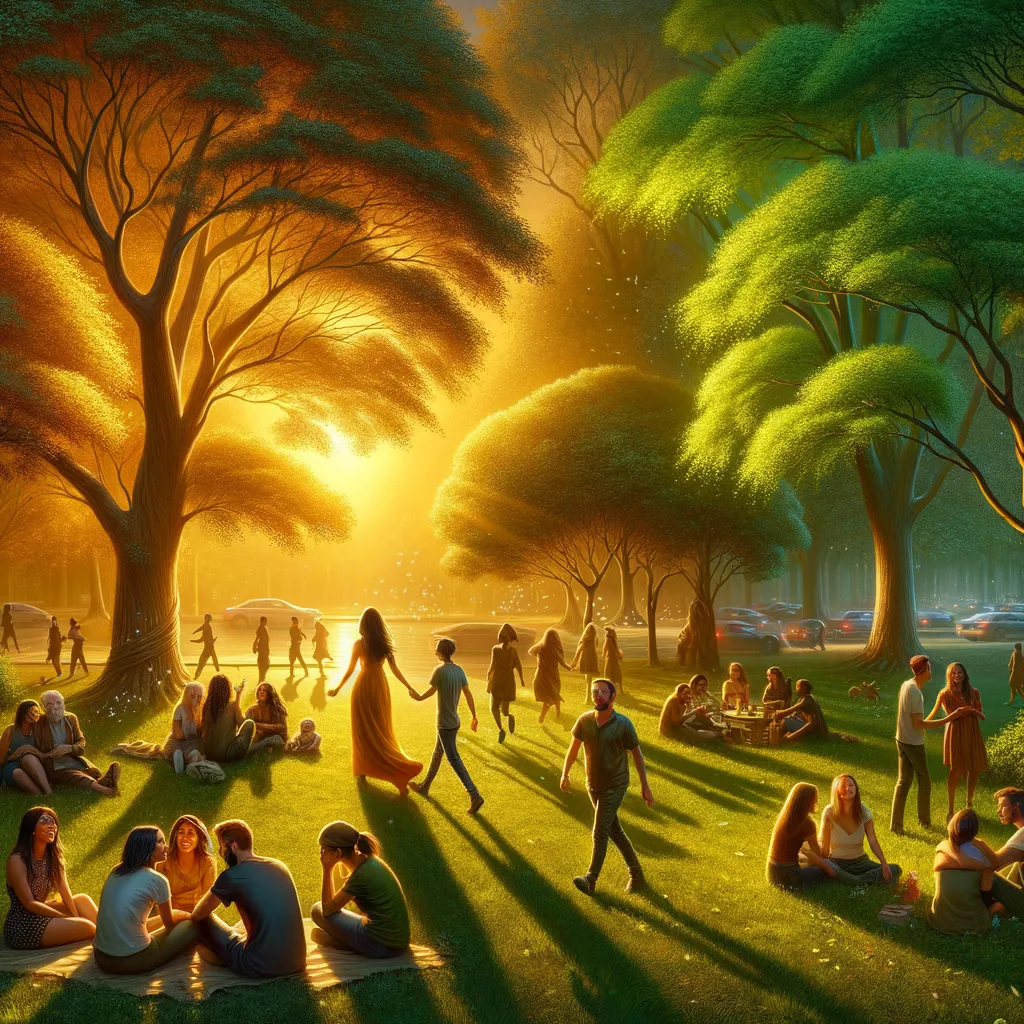
As I continued my journey, I stumbled upon a small park where children played, their laughter a stark contrast to the weight of my thoughts. I observed their innocence, their untainted belief in fairness, and for a fleeting moment, I yearned to return to that simplicity. Yet, I understood that growth often requires confronting uncomfortable truths, that the journey toward justice is paved with the struggles of those who dare to question the status quo.
With each passing year, I became increasingly aware that justice is not a destination but a continuous pursuit, an ever-evolving dialogue that demands engagement. It is shaped by our experiences, our failures, and our victories. It is the quiet act of standing up for those who cannot, the courage to challenge narratives that do not serve the greater good. This understanding did not come easily; it was forged through the fires of experience and the willingness to embrace uncertainty.
The sky darkened as I approached the old community center, a place that had witnessed countless stories of both despair and triumph. I recalled the countless meetings held there, where voices united to advocate for change. In that space, I learned that justice thrives in community, nurtured by empathy and collective action. It became clear that true justice requires us to not only seek what is right for ourselves but to uplift those who remain unheard.
As I stood there, a question began to form in my mind, echoing the essence of my journey. It was a question that transcended time and circumstance, one that beckoned me to consider the broader implications of my evolving understanding of justice. In the end, I realized that the pursuit of justice is not just a personal endeavor; it is a shared responsibility that connects us all. How do we redefine justice in a world where so many voices go unheard?
Justice unfolds not as a destination but as a shared journey, where every voice adds depth to a dialogue that challenges the very fabric of our humanity.