Ancient Tablet: A Journey of Discovery and Connection
In a serendipitous moment, I stumbled upon a clay tablet in a dusty antiquities shop, its symbols beckoning with the whispers of a long-lost civilization. Each glance at this unassuming object ignited a spark of curiosity, revealing connections between their struggles and my own quest for balance in a chaotic world. As I delved deeper, I unearthed their tales of resilience, learning that the wisdom they encapsulated was both a treasure and a cautionary reminder of life’s fragility. This ancient artifact transformed into a bridge, linking the past to the present, urging me to live intentionally and authentically. Ultimately, it became a talisman guiding me through uncertainty, prompting profound reflections on the legacy I wish to create in my brief time on this Earth.
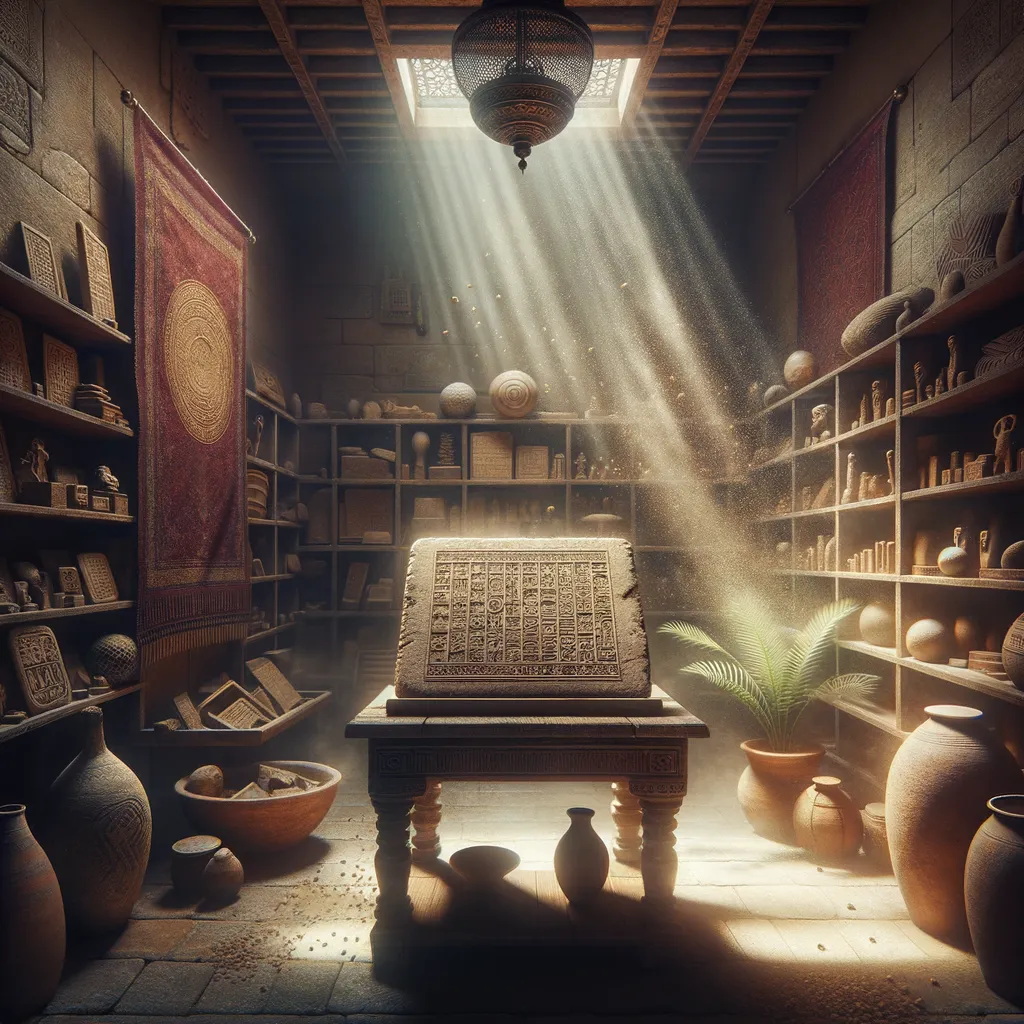
In the memory of October 18, 2002, I found myself standing before an object that seemed to breathe with the weight of centuries. It was an unassuming clay tablet, its surface etched with symbols that felt both foreign and familiar, as if they whispered secrets from a time long past. The tablet had come into my possession through a serendipitous twist of fate, a dusty corner of an antiquities shop that smelled of age and dust, where the air thrummed with echoes of forgotten voices. Little did I know, this seemingly simple artifact would alter the course of my understanding of history, connection, and self.
With each glance at the tablet, I felt an inexplicable tug at my heart. The characters etched into the clay were a language I could not decipher, yet they spoke to me in a way that transcended words. They were remnants of a civilization that had flourished and faded, their hopes, dreams, and fears encapsulated in the very material I held. It was as though the tablet was a vessel of memory, containing the wisdom of those who had walked the earth centuries before me. This realization ignited a spark of curiosity within me, a desire to explore the stories hidden beneath the layers of time.
As I began my journey into the history of the tablet, I discovered it hailed from a culture that revered nature and sought harmony with the cosmos. Their rituals, I learned, were steeped in an understanding of the cycles of life, echoing the rhythms of the earth. I felt a profound connection to their beliefs, an echo of my own struggles in a world that often seemed chaotic and disconnected. The tablet became a mirror, reflecting my inner turmoil and yearning for balance in my own life, a yearning that had been dulled by the noise of modern existence.
The more I delved into the intricacies of this lost civilization, the more I unearthed parallels between their experiences and my own. They had faced their share of trials—wars, droughts, and the inevitable passage of time. In their resilience, I found inspiration. Their stories were not just relics of a distant past; they were a testament to the human spirit’s capacity to endure, adapt, and thrive against all odds. I often pondered how their lives were shaped by the very elements that now shaped mine, drawing lines of connection that spanned millennia.
Yet, as I immersed myself in their world, a sense of foreboding crept in. The realization that civilizations could rise and fall within the blink of an eye weighed heavily on my thoughts. The tablet, once a symbol of hope and discovery, now felt like a cautionary tale. I began to understand that the very wisdom it held was intertwined with fragility. It served as a reminder of the impermanence of existence, of how easily the narratives we hold dear could be erased, just as those of the ancients had been.
With this understanding, the tablet transformed once more, becoming a catalyst for introspection. It urged me to confront my own fears and aspirations. I started to question the legacy I would leave behind and how I could contribute to the tapestry of human experience. The tablet was no longer just an artifact; it was a call to action, a challenge to live authentically and purposefully in a world that often felt superficial and transient.
In a moment of clarity, I realized the tablet was not merely an object; it was a bridge. It connected the ancient with the contemporary, the known with the unknown. It whispered that wisdom is not confined to the pages of history but is a living, breathing entity that exists in the stories we share and the choices we make. Each time I gazed at its surface, I was reminded of the interconnectedness of all life, a web woven through time and space that binds us to those who came before and those yet to come.
As the years passed, I carried the tablet with me, a talisman of sorts, grounding me in moments of uncertainty. It became a source of strength, a reminder that the lessons of the past were not just echoes but a chorus guiding me toward a more intentional existence. It was as if the tablet had become a part of me, resonating with my own struggles and triumphs, illuminating the path ahead.
On that October day in 2002, the tablet had been a mere object, but it had unveiled layers of meaning that I had never anticipated. It taught me that wisdom is not static; it evolves and adapts, much like the civilizations that birthed it. In its quiet presence, I found a reminder that our stories are intertwined, that each of us carries the weight of our histories while forging our own paths.
As I reflect on the journey this ancient tablet has taken me on, I am left pondering a question that lingers like a whisper in the wind: what legacy will I create in my own fleeting time, and how will it resonate through the ages?
A simple artifact can transform into a bridge across time, reminding us that every story, whether ancient or contemporary, is woven into the tapestry of existence, urging a legacy that resonates beyond the fleeting moment.