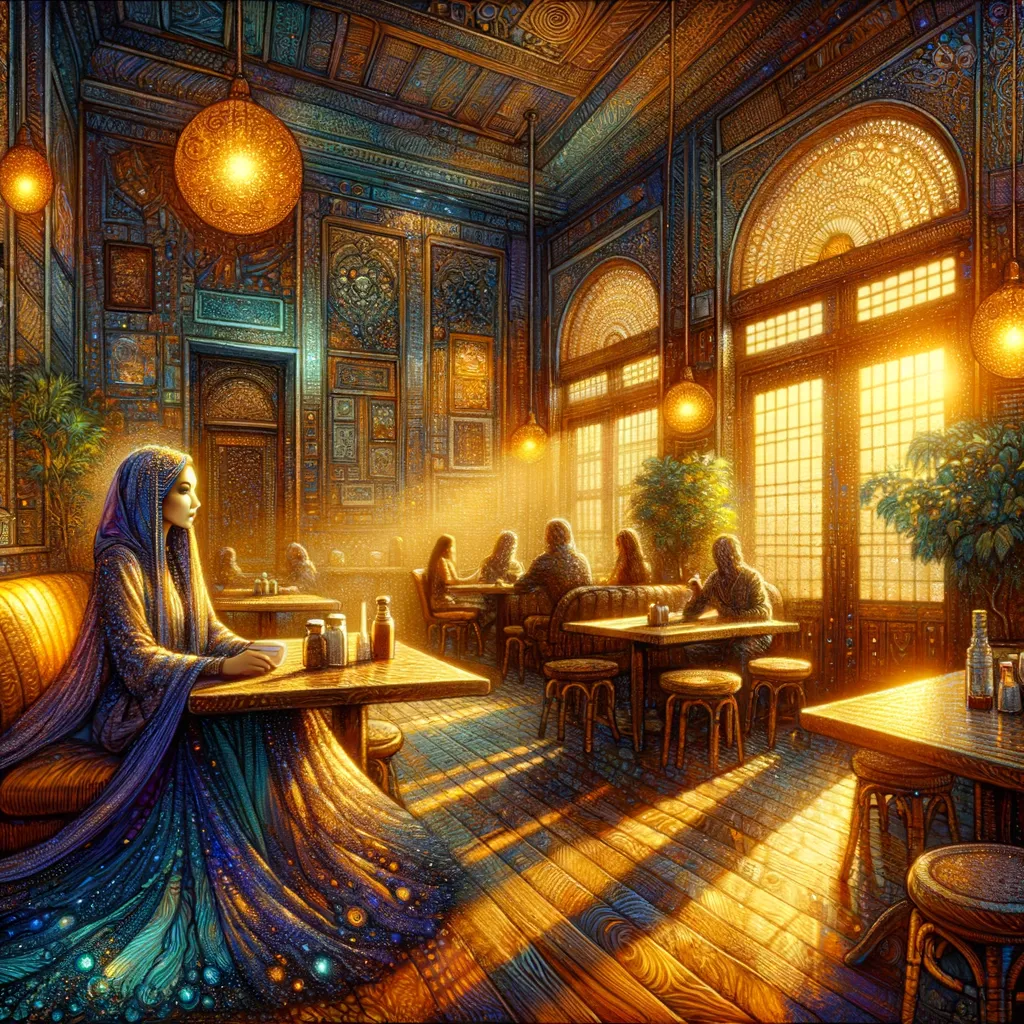
When Blue Vanished: A Journey of Color and Rediscovery
In a world suddenly stripped of its vibrant hues, the protagonist finds themselves ensnared in a landscape of muted tones, where the sun’s warmth feels like a distant memory and the once-lively colors of nature have vanished, leaving only shades of gray. As they navigate their small town, a palpable absence weighs on the spirits of its inhabitants, and laughter becomes a rare commodity, hinting at a collective melancholia that stirs beneath the surface. A chance discovery of an old book ignites a flicker of hope, revealing a tale of resilience that resonates deeply, encouraging them to seek beauty in the overlooked subtleties of life. Embracing the muted world around them, they learn to appreciate the intricate textures of existence and the profound stories shared by others who have faced their own transformations. Just as they begin to find solace in this new palette, a single blue feather emerges from the waves, a shimmering reminder that colors—like emotions—can ebb and flow, waiting for the heart to rediscover their essence anew.
In the memory of January 15, 2002, I found myself standing in a world tinged with a strange absence. The sun broke through the clouds, casting its warm, golden light over the landscape, yet something felt off, as if a vital piece of the puzzle had vanished overnight. I had always been drawn to the vibrant hues of nature, but that day, I realized my favorite color, a rich, deep blue, was missing. The ocean, once a canvas of tranquility, now appeared as a dull gray, its waves whispering secrets no longer accessible to me. The sky, which had cradled dreams and aspirations, hung lifeless above, a heavy blanket of muted tones.
As I wandered through the streets of my small town, the absence became palpable. The once-inviting storefronts, adorned with cobalt blue awnings, now seemed drab, their charm stripped away. Even the laughter of children playing in the park felt subdued, lacking the vibrancy that blue had always infused into their joy. I could sense a collective unease among the townsfolk, as if we were all navigating a world rendered monochrome, our spirits tethered to a palette that no longer resonated.
The flowers in the gardens, once bursting with shades of azure and indigo, now lay muted and forlorn. Petunias that had danced in the breeze, their deep blue petals beckoning bees and butterflies, drooped in despair. It was as if the very essence of life had been siphoned away, leaving behind a ghostly echo of what once was. I found myself kneeling beside a patch of wilting blossoms, feeling a kinship with their lost vibrancy. In that moment, I understood how deeply intertwined our emotions were with colors; they were not mere pigments but expressions of our innermost feelings.
Days turned into weeks, and the world continued to unfold in shades of gray. I noticed how conversations shifted, growing more serious, as though laughter had become an endangered species. Even the art in galleries lost its spark, the canvases stripped of their color, leaving behind abstract shapes that failed to ignite the imagination. I began to wonder if this absence was more than a simple loss; perhaps it was a reflection of our own hidden struggles. Could it be that the disappearance of blue served as a mirror, revealing our collective melancholia?
In the midst of this muted existence, I stumbled upon an old book in a forgotten corner of the library. Its pages were yellowed and worn, the spine cracked with age. As I flipped through the chapters, I discovered a tale of a world that once thrived on color, where every hue held a story, a lesson, a heartbeat. The protagonist, much like myself, faced a similar loss, yet found a way to navigate the gray, transforming sorrow into strength. It was a revelation that sparked a flicker of hope within me.
I began to embrace the muted tones around me, seeking beauty in the subtleties of life. The fading light at dusk painted the horizon in gentle pastels, creating a delicate tapestry that whispered of possibility. I realized that even in a world stripped of its vibrancy, there were moments of unexpected wonder. The soft rustle of leaves, the intricate patterns of shadows, and the warmth of companionship became my new palette, rich with textures and emotions I had previously overlooked.
As I learned to adapt, I also found solace in the stories of others. Those who had experienced loss and transformation became my guides. They spoke of resilience and the ability to find light in the darkest corners. I began to appreciate the depth of human experience, the shades of grief and joy that coexisted within us all. Each encounter revealed a layer of complexity, a reminder that even in absence, there was beauty to be found.
Then, one day, as I stood by the shore, a flicker caught my eye. A single blue feather danced upon the waves, glinting in the sunlight like a forgotten treasure. My heart raced as I reached for it, the color washing over me like a tide of memories. In that moment, I realized that perhaps blue had not vanished entirely; it had merely transformed, waiting for me to uncover its essence anew. The world around me suddenly felt alive again, and I understood that colors, much like emotions, were not linear; they ebbed and flowed, shaped by our perceptions and experiences.
As the sun dipped below the horizon, casting a kaleidoscope of colors across the sky, I pondered the deeper meaning behind this journey. Was it possible that the absence of my favorite color had opened my eyes to the richness of life in all its forms? The layers of discovery revealed not just a longing for blue, but a deeper understanding of the human experience—a tapestry woven from both joy and sorrow, loss and rediscovery.
In the aftermath of this revelation, I was left with a lingering question: if your favorite color suddenly disappeared from the world, what subtle changes would you notice, and how might you find beauty in the unexpected shades of life?
In the quiet absence of vibrant hues, the heart learns to weave beauty from the threads of muted shades, discovering that every loss unveils a deeper tapestry of resilience and hope.