Secrets Unveiled: A Journey Through Italy’s Heart
Wandering through a sun-drenched Italian town, a mesmerizing journey unfolds, where cobblestone paths twist into hidden piazzas alive with laughter and music. Initially perceived as a realm frozen in time, the locals reveal a vibrant tapestry of tradition and modernity, weaving their ancestral heritage with contemporary spirit. A chance encounter at a colorful gelateria introduces an elderly woman whose artistry transcends mere dessert-making, embodying the delicate balance of innovation and nostalgia. As connections deepen with the townspeople, their stories emerge like petals unfurling, illuminating the essence of culture as a living, breathing entity. In the end, the town transforms into a profound reminder that beneath the surface of assumptions lies a treasure trove of shared experiences, waiting to be discovered.
In the memory of August 12, 2016, I found myself wandering through the sun-drenched streets of a small town in Italy, a place seemingly untouched by time. The cobblestone paths twisted like an artist’s brushstroke, leading to hidden piazzas where laughter and music danced in the air. With each step, I felt the weight of my preconceptions shift, as if the very ground beneath me was whispering secrets of its past, urging me to look beyond the surface.
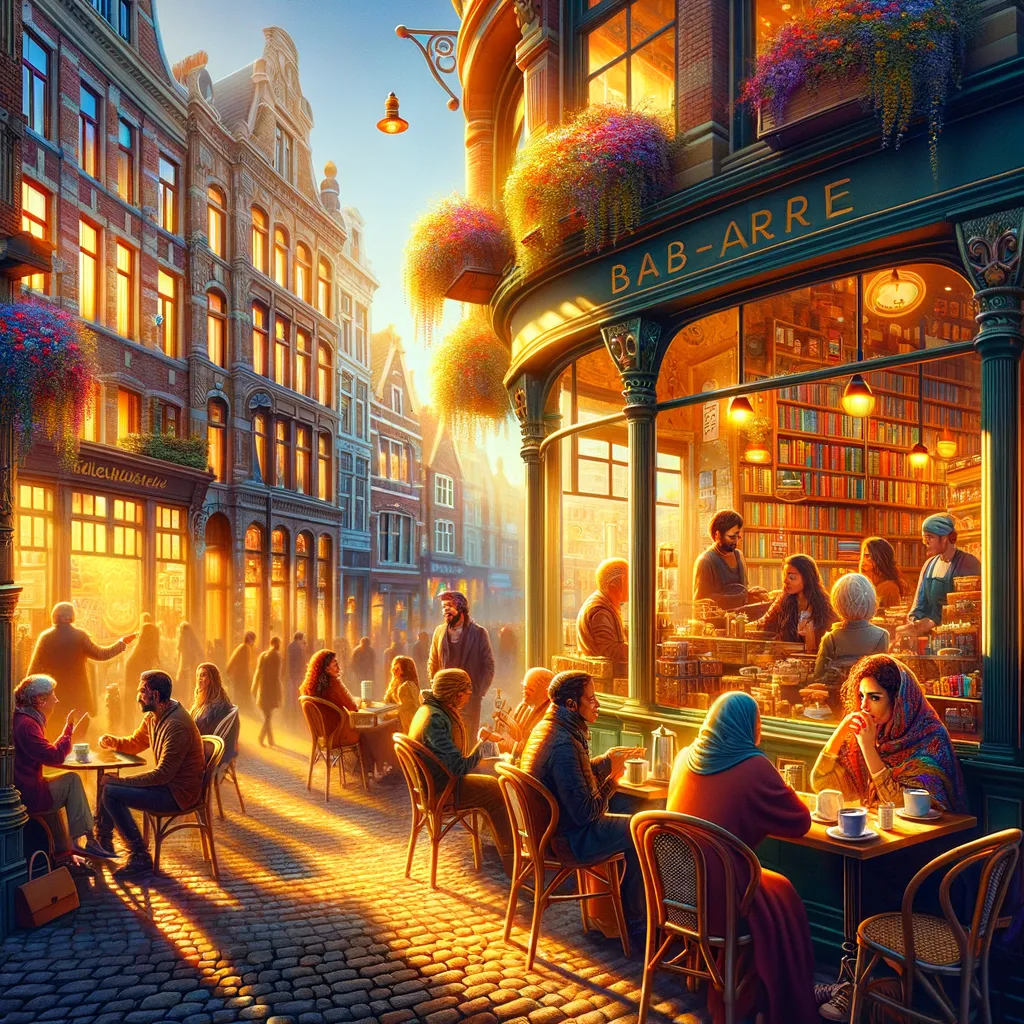
At first, the locals appeared like characters in a storybook, their lives choreographed to the cadence of tradition. I had imagined them to be steeped in the nostalgia of their ancestors, bound by rituals that left little room for the modern world’s chaos. Yet, as I ventured into bustling markets and quaint cafes, I was met with warm smiles and welcoming gestures, the very fabric of their lives woven with threads of both history and contemporary spirit.
One afternoon, I stumbled upon a small gelateria, its bright colors beckoning like a siren’s call. The elderly woman behind the counter, her hands dusted with flour, was crafting gelato with an artistry that transcended mere dessert-making. As I savored the rich pistachio flavor, she shared snippets of her life, stories of her grandmother’s recipes passed down through generations, yet she spoke of innovation and experimentation with equal fervor. In that moment, the dichotomy of tradition and modernity became a vivid tapestry, rich in texture and depth.
As days turned into weeks, I was drawn deeper into the lives of the locals, their stories unfolding like petals of a flower. I met a young artist who painted not the iconic landscapes, but the everyday moments that often go unnoticed—the way sunlight filtered through leaves, the laughter of children playing. He spoke passionately about blending the old with the new, emphasizing that culture is not static; it evolves, breathes, and adapts. His perspective shattered the glass case in which I had placed my assumptions.
I began to realize that the essence of this place was not merely in its historical landmarks or culinary delights but in the shared experiences of its people. The baker who rose before dawn to knead dough and the fisherman who returned with the day’s catch were not just practitioners of their trades; they were storytellers, each bite of bread and every glimmering fish holding the weight of countless narratives. This interconnectedness became a profound revelation, illuminating the beauty of culture as a living entity.
As I ventured into the countryside, the landscape unfolded like a painting, each hill and valley a testament to the relationship between the people and their land. I met farmers who nurtured the earth with reverence, understanding that their work was not just about sustenance but about preserving a way of life. They spoke of the land with a reverence that transcended mere occupation, and I was struck by the realization that their connection to the soil was a reflection of their identity.
One evening, as the sun dipped below the horizon, I found myself at a local festival, the air alive with music and laughter. The vibrant colors of the decorations mirrored the joy in the faces of those around me. I danced with strangers who became friends, our differences dissolving in the rhythm of the night. In that moment, I understood that culture is not a barrier; it is a bridge that connects hearts and minds, transcending language and geography.
The surprises did not cease; they deepened my understanding. I learned that the locals carried the weight of their history with grace, yet they were unafraid to challenge it. Conversations revealed their hopes, dreams, and fears, painting a picture of resilience. The stories of struggle and triumph were as rich as the meals they shared, each dish a manifestation of their journey, each flavor a note in the symphony of their lives.
As I prepared to leave, the bittersweet pang of farewell enveloped me. The town, with its vibrant pulse and lively spirit, had reshaped my view of culture, revealing it as a complex mosaic rather than a monolithic entity. It was a reminder that assumptions often serve as a lens that can cloud understanding, distorting the beauty of what lies beneath.
In the end, I carried home not just memories of breathtaking landscapes and delicious cuisine, but a profound realization: How often do we allow our preconceived notions to blind us to the richness of human experience, and what treasures might we uncover if we dared to look beyond the surface?
In the heart of a sun-drenched town, culture reveals itself not as a relic of the past, but as a vibrant tapestry woven from the stories, laughter, and shared dreams of its people.