Unlocking Potential: The Journey of Self-Discovery Awaits
Standing at the edge of an uncharted territory, the air crackled with the promise of transformation, igniting a vision of education that transcended mere facts and figures. In this vibrant landscape, schools evolved into sanctuaries of self-exploration, where mirrors reflected not just students’ faces, but the intricate tapestry of their dreams and fears. As the sun dipped below the horizon, the notion of success shifted from grades to the rich narratives of individual journeys, inviting vulnerability and creativity to flourish. Mentors emerged as empathetic guides, nurturing resilience and understanding in the messy, rewarding process of self-discovery. With a sense of urgency and hope, the idea blossomed: what if the true key to unlocking potential lay in embracing who we are, rather than what we know?
In the memory of March 15, 2009, I find myself standing at the edge of a vast, uncharted territory, where the horizon blurred with the colors of possibility. The world felt different that day; it pulsed with a quiet anticipation, as if nature itself held its breath. A gentle breeze carried whispers of change, a hint that the fabric of society was beginning to unravel the tightly woven threads of conventional wisdom. In that moment, I was struck by the idea that self-discovery could become a cornerstone of education, a rite of passage as crucial as learning to read or write.
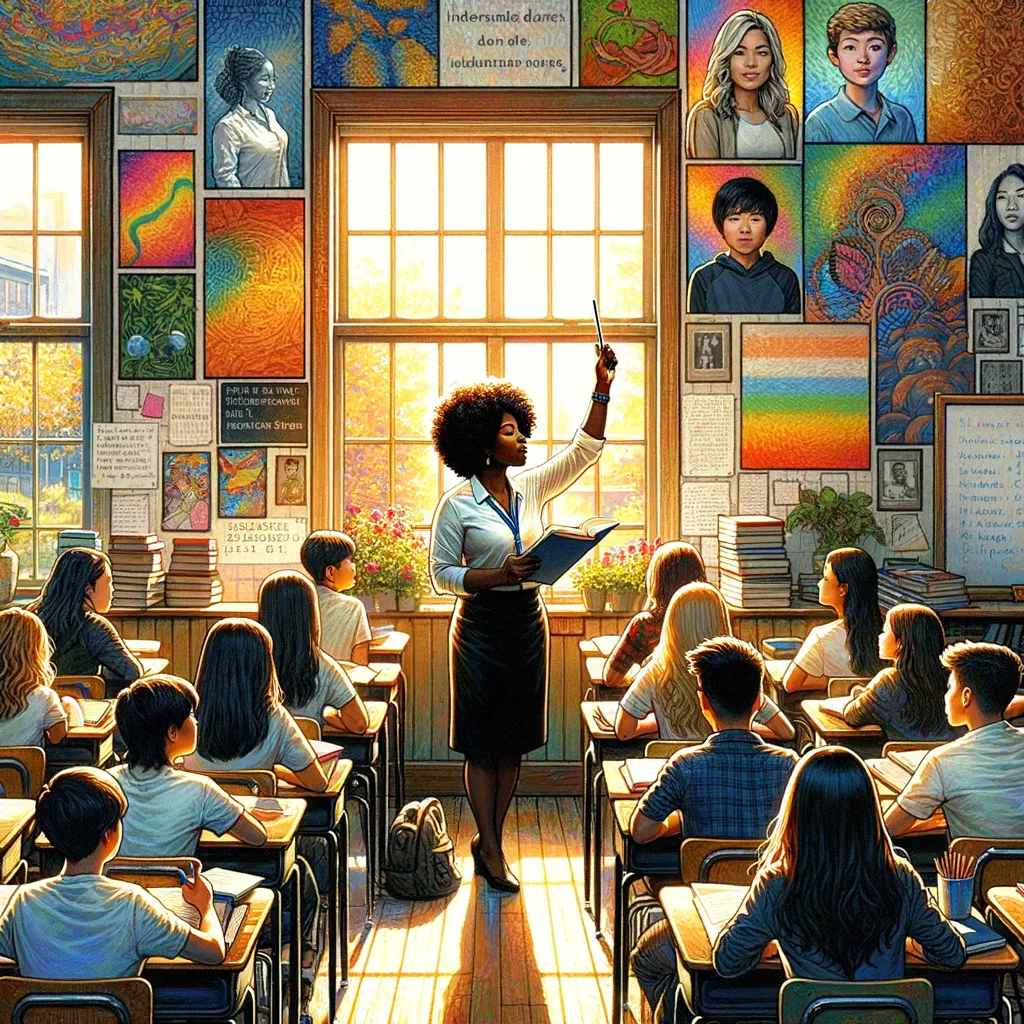
As I walked through a park alive with the laughter of children and the rustling of leaves, I imagined a world where schools transformed into sanctuaries of self-exploration. Instead of a mere emphasis on facts and figures, classrooms could be adorned with mirrors—reflecting not just the faces of students, but the dreams, fears, and aspirations that lay within. Here, educators would guide young minds not only through the maze of mathematics and science but also through the labyrinth of their own identities, fostering a sense of belonging and understanding.
The sun dipped lower in the sky, painting everything in shades of gold and crimson, and I envisioned how this shift in education could redefine success. What if achievements were measured not solely by grades but by the depth of self-awareness cultivated? Imagine a culture where students celebrated their unique journeys, sharing their stories like treasures instead of competing for the highest scores. They would learn to embrace vulnerability, recognizing that the path to authenticity is often winding and fraught with uncertainty.
In this new landscape, self-discovery would become an art form, akin to painting or music. Workshops could flourish, inviting students to explore their passions through creative expression. A shy child could find their voice through poetry, while a restless soul might channel their energy into movement or dance. Every individual would be encouraged to forge their own narrative, illuminating the diverse tapestry of human experience rather than conforming to a singular mold.
As the shadows lengthened, I pondered the role of mentors in this transformative journey. What if teachers were seen not just as dispensers of knowledge but as guides, walking alongside students as they navigated the complexities of their inner worlds? These mentors could foster an atmosphere of trust and empathy, where mistakes were not failures but stepping stones toward enlightenment. With each misstep, students would learn resilience, discovering that self-exploration is often messy yet profoundly rewarding.
The idea began to take root in my mind, and I felt a surge of excitement as I imagined a society where self-discovery was celebrated as a vital aspect of human development. Picture parents discussing their children’s journeys of self-exploration at dinner tables, sharing insights and encouraging open dialogue about emotions and ambitions. Conversations would flow effortlessly, unearthing the richness of personal narratives and fostering connections that transcend generations.
But amidst this vision of hope, a shadow of doubt crept in. Would society truly embrace such a radical shift? The fear of vulnerability often looms large, and the comfort of tradition can be a powerful force. Yet, the thought of countless individuals trapped in the silence of conformity stirred a sense of urgency within me. How many brilliant minds might remain dormant, their potential stifled by a rigid educational system that prioritizes conformity over creativity?
As the last rays of sunlight melted into twilight, I realized that this cultural shift would require courage—a collective leap of faith into the unknown. It would call for communities to cultivate environments where self-discovery was not just encouraged but revered. Families, schools, and societies must unite in this endeavor, recognizing that nurturing the heart and soul is as essential as nurturing the mind.
In this vision of the future, I found hope not just for the young but for everyone who has ever felt lost or confined. The journey of self-discovery is universal, a lifelong quest that transcends age, background, and circumstance. As the stars began to twinkle above, I was left with a lingering question, echoing in the stillness of the evening: What if the key to unlocking our fullest potential lies not in what we know, but in who we are willing to become?
In a world where education embraces the art of self-discovery, the true measure of success transforms from grades to the profound journeys of identity that illuminate the soul.