Unraveling Conflict: A Journey of Unexpected Growth
At a crossroads between childhood and adulthood, the protagonist’s summer day unfolds under a golden sun, promising adventure yet shrouded in an impending storm of conflict. Drawn into a fierce dispute between two friends, they grapple with an instinctive desire to mediate, only to discover that their well-meaning attempts only deepen the rift. As years pass, the echoes of that day morph into lessons about the intricate dance of human relationships, revealing that conflict is not merely a puzzle but a living entity demanding patience and empathy. With newfound curiosity, the protagonist learns to embrace discomfort, recognizing that beneath anger often lies vulnerability, turning each conflict into an opportunity for deeper understanding. Ultimately, the journey teaches them that conflict is not a battleground but a teacher, inviting connection and illuminating the complexities of shared humanity amidst life’s unpredictable challenges.
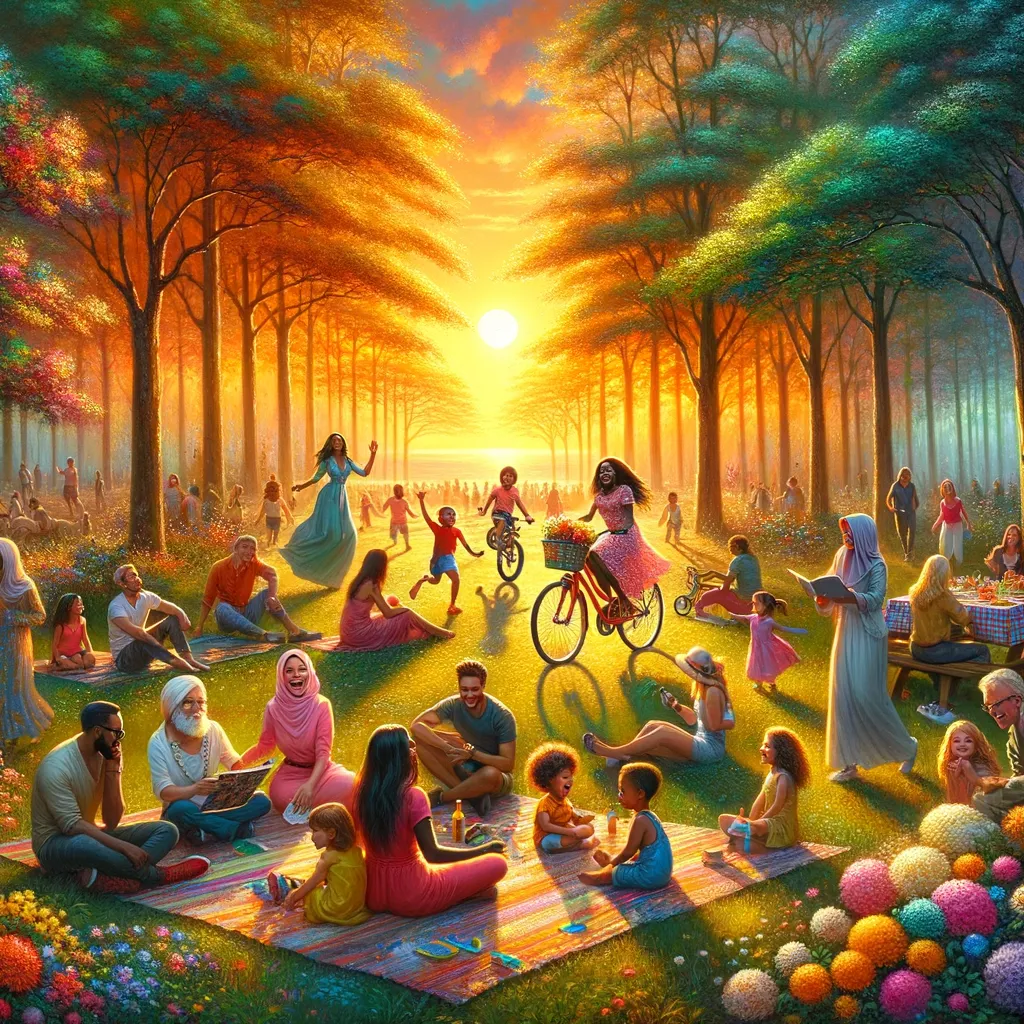
In the memory of June 22, 2006, I find myself standing at the crossroads of childhood innocence and the complexities of adulthood. The sun hung high in the sky, casting a golden hue over the neighborhood, where laughter mingled with the distant sounds of lawnmowers and chirping birds. It was a day that promised freedom, but beneath the surface, a storm brewed—a conflict that would challenge the very fabric of my understanding of human nature. That morning, I had awakened with a sense of adventure, blissfully unaware of the lessons that awaited me.
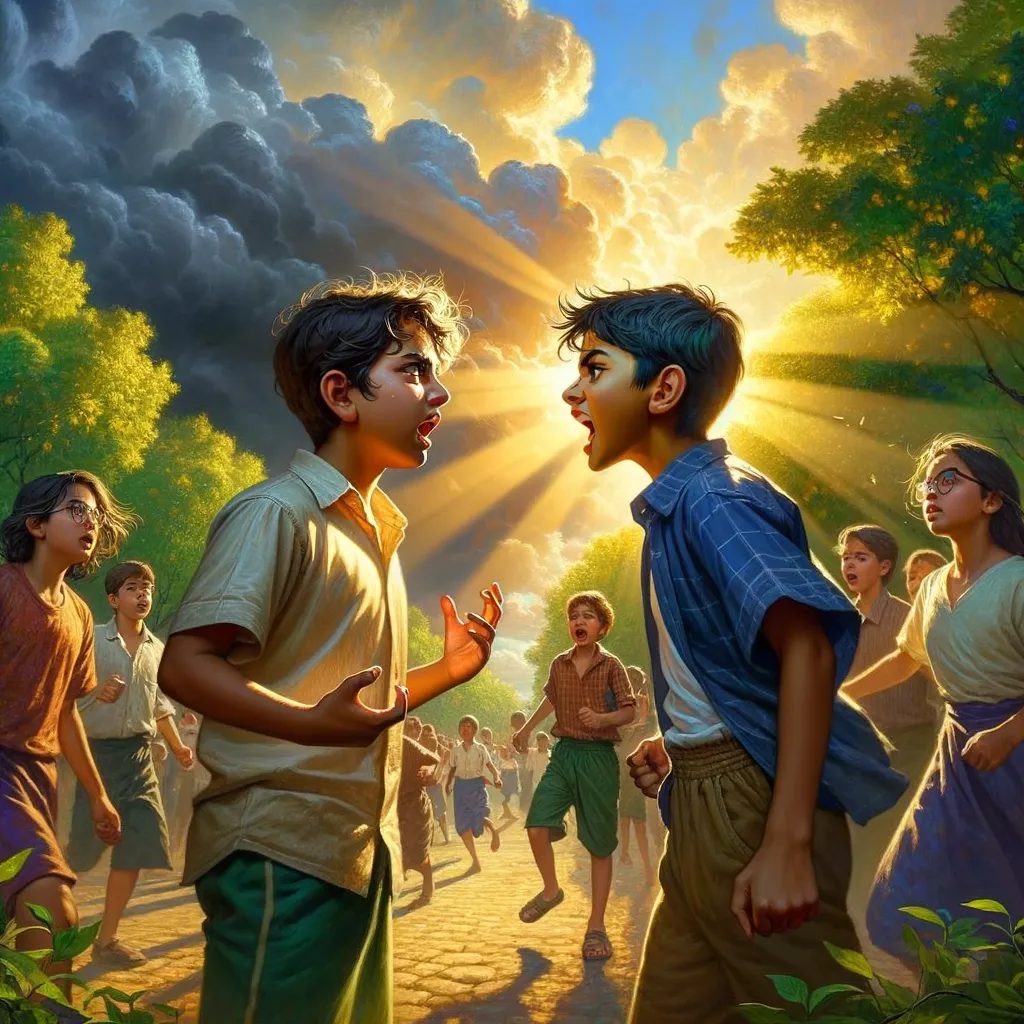
As I ventured outside, the world felt ripe for exploration, yet I was soon drawn into a dispute that simmered between two friends. They stood face to face, their faces flushed with anger, the air thick with unspoken words. I watched, heart pounding, feeling the pull of loyalty to both sides. In that moment, I became acutely aware of my instinctive response to conflict: a paralyzing urge to mediate, to soothe the tempest brewing between them. I wanted to be the bridge, the peacekeeper, but my inexperience left me fumbling for the right words.
I stepped into the fray, attempting to unravel the tension with clumsy phrases and half-formed ideas. My efforts were met with skepticism, and the situation escalated, leaving me feeling helpless and exposed. The realization hit me like a cold wave: conflict was not merely a puzzle to be solved; it was a living entity with its own demands and nuances. That day, I learned the hard truth that some conflicts cannot be resolved with simple solutions or good intentions.
Days turned into years, and as I navigated the complexities of relationships, the echoes of that summer day lingered in my mind. I began to observe the patterns of human interaction, recognizing that my instinctive response was often rooted in fear—fear of rejection, of loss, of the unknown. Each disagreement or misunderstanding became an opportunity for growth, a chance to refine my approach. I discovered the importance of listening, of allowing space for emotions to breathe before attempting resolution. It was a delicate dance, one that required patience and empathy.
Life had a way of presenting conflicts in the most unexpected forms. As I matured, I found myself drawn into situations that tested my resolve. A heated discussion during a family dinner, a disagreement with a colleague, or the heartbreak of a romantic fallout—all served as mirrors reflecting my evolving relationship with conflict. I learned to embrace discomfort, to lean into the uncertainty that often accompanied these moments. In doing so, I began to recognize conflict as a catalyst for deeper understanding, a chance to peel back layers of self and others.
With each encounter, the fear that once paralyzed me transformed into curiosity. I sought to understand not just the surface of the conflict but the emotions that lay beneath. I discovered that anger often masked vulnerability, and hurt frequently masked fear. This revelation was like finding a hidden treasure chest in a familiar landscape; it shifted my perspective from viewing conflict as a battleground to seeing it as a rich tapestry woven with shared human experience.
Yet, the journey was not without its pitfalls. There were still moments when my instincts faltered, when my desire to resolve conflict swiftly led me to overlook the importance of patience. I learned that rushing to fix things often created more chaos, leaving wounds that took longer to heal. In these instances, I had to remind myself that growth comes not from avoiding conflict but from engaging with it mindfully, allowing it to unfold in its own time.
The summer of 2006 had gifted me an invaluable lesson: the art of conflict is as much about self-discovery as it is about resolution. With each new experience, I became more attuned to the complexities of the human heart, more willing to embrace the unpredictable nature of relationships. Conflict, once a source of dread, became an invitation to connect on a deeper level, to explore the intricacies of our shared humanity.
As I reflect on that pivotal day, I realize that conflict is an integral part of life—a teacher disguised in the chaos of emotions. It demands our attention, nudges us toward growth, and ultimately reveals the strength of our connections. The question lingers in the air like the warm breeze of that June afternoon: How do we navigate the storms of conflict to find clarity and connection in a world that often feels divided?
Conflict, once perceived as a battleground, reveals itself as a rich tapestry of shared humanity, inviting deeper connections through the chaos of emotions.