Discovering Beauty: The Gold in Life’s Fractures
On a sun-kissed afternoon in a quaint coastal town, a traveler stumbled upon a life-altering phrase that would transform her perspective: “Kintsugi.” Encountering an elderly woman who sold beautifully woven baskets, she learned that this Japanese concept celebrated the art of mending broken things with gold, turning scars into stunning stories. As she wandered through the market, she began to recognize the hidden fractures in those around her, realizing that everyone carried their own burdens, yet navigated life with remarkable resilience. Contemplating her own heartaches and losses while watching the sun dip below the horizon, she discovered that embracing imperfection could be a source of strength and connection. This newfound philosophy wove itself into her daily life, reshaping her art, relationships, and ultimately, her understanding of beauty, prompting a profound question: how would she choose to mend her own fractures, and what treasures would emerge from the process?
In the memory of April 18, 2004, I stumbled upon a phrase that would forever change the way I viewed the world. It was a warm, sun-drenched afternoon in a small coastal town, where the salty breeze whispered secrets and the waves danced playfully against the shore. I had traveled far from home, drawn by a longing to experience life through a different lens. As I wandered through the bustling market, vibrant colors and tantalizing scents enveloped me, creating a sensory tapestry that felt both foreign and familiar.
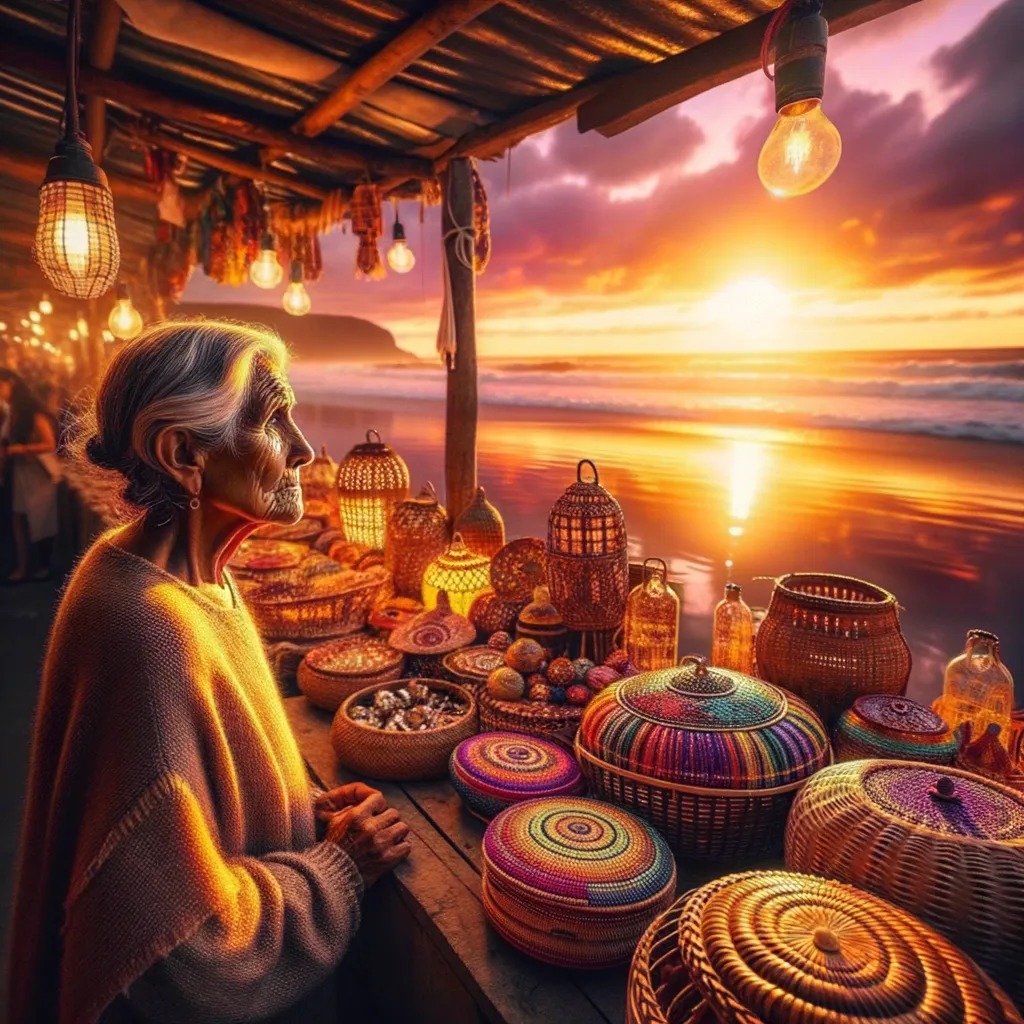
In the heart of the market, I met an elderly woman selling intricately woven baskets. Her hands, weathered yet graceful, moved with a rhythm that spoke of generations. As I admired her work, she shared a phrase from her native tongue: “Kintsugi,” she said, her eyes sparkling with wisdom. The word meant “golden joinery,” a philosophy that embraced the beauty of broken things. It spoke of mending the fractured pieces of life with gold, transforming scars into stories, imperfections into art. At that moment, the weight of the idiom settled in my chest, igniting a flicker of understanding that felt both profound and personal.
As I continued my exploration, the concept of kintsugi began to unfold in layers around me. I observed people walking with their burdens—some visible, like the single mother balancing a child on her hip and groceries in her other hand, and others hidden beneath smiles that masked deeper wounds. I realized that everyone carried their own fractures, yet here we were, navigating life with resilience. The idea that these fissures could be transformed into something beautiful resonated with me more than I could articulate.
The afternoon drifted into evening, and the sun cast a golden hue over the horizon, illuminating the beach with a surreal glow. I sat on the sand, contemplating my own fractures—those moments of heartache and loss that had shaped me into who I was. I thought of friendships that had faded, dreams that had crumbled, and the times I felt utterly alone. Yet, as I reflected on my experiences, I sensed a change within. Each crack held a lesson, each scar a story, and somehow, they all contributed to a mosaic of my existence.
The night deepened, and the stars began to twinkle like fragments of shattered glass, each one a reminder of the universe’s vastness and mystery. The more I pondered kintsugi, the more I understood that life was not merely about avoiding breaks but embracing them. The idea danced in my mind, a delicate balance of pain and beauty. I began to see my own experiences as a form of art, each misstep and mishap adding depth and character to the canvas of my life.
In the days that followed, I carried the phrase with me, letting it weave through my thoughts and actions. I sought to mend my own fractures, acknowledging them instead of hiding them away. I found solace in vulnerability, a strange yet comforting realization that imperfection could be a source of strength. Friends who had once felt distant became allies in this journey of acceptance, sharing their own stories of struggle and resilience. Together, we celebrated the beauty of our scars, transforming our brokenness into a collective tapestry.
The weeks turned into months, and as I returned home, I found myself constantly revisiting the lessons of kintsugi. It seeped into my conversations, influenced my art, and reshaped my relationships. I began to see the world through a different lens, one that illuminated the fragility and strength inherent in every living thing. I noticed how the cracks in the sidewalks were often filled with wildflowers, how the most exquisite pottery bore the marks of repair. The philosophy of embracing imperfection became a guiding light, illuminating the paths of both joy and sorrow.
Years later, standing in front of a canvas splattered with paint, I reflected on the evolution of my understanding. Each stroke represented not just the beauty of creation but the essence of life itself—chaotic, unpredictable, and yet profoundly beautiful. The notion of kintsugi had transformed from a simple phrase into a way of being. It reminded me that life is not about avoiding breaks but rather about how we choose to fill those gaps with gold, how we cultivate beauty from our struggles.
In that moment of reflection, I felt a surge of gratitude for the wisdom I had discovered. The phrase that once felt foreign had become a vital part of my identity, a bridge connecting cultures, experiences, and emotions. As I stood amidst the vibrant chaos of life, a question lingered in the air, one that resonated deeply within me: How will you choose to mend your own fractures, and what beauty will you uncover in the process?
Embracing the cracks of life transforms scars into art, revealing the profound beauty hidden within each fracture.