Unearthing Hidden Tales: A Journey of Perspective
In a quaint, forgotten library, a dusty book whispered secrets of distant lands and cultures, beckoning a curious soul to explore its pages. As stories unfolded like vibrant tapestries, the reader became an invisible observer, witnessing extraordinary rituals and bustling markets that transcended borders, each moment rich with life and connection. With each turn of the page, a profound realization dawned: identity is a mosaic shaped by myriad experiences, urging a confrontation with personal biases and assumptions. This journey sparked deep conversations and a newfound responsibility to engage with diverse perspectives, transforming casual exchanges into meaningful dialogues. Ultimately, the encounter with the book ignited a quest for understanding, leaving the reader with an echoing question of how to honor the stories of others while carving out their own place in the intricate tapestry of existence.
In the memory of December 17, 2001, I found myself nestled between the pages of an old, forgotten book in the dusty corner of a quaint little library. It was a treasure trove of stories, many of which had long been eclipsed by the rapid pace of modern life. As I flipped through the yellowed pages, a peculiar title caught my eye: “The Distant Land of the Mind.” The words seemed to shimmer under the dim light, beckoning me to explore realms beyond my own, to adopt a perspective that was at once foreign and tantalizing.
The book was a collection of essays and narratives that transported me to cultures I had only glimpsed in passing. Each story unfurled like a vivid tapestry, weaving together the threads of human experience from distant lands. I could feel the weight of history, the pulse of life, and the heartbeat of dreams that transcended borders. The author’s reflections on the nature of identity struck a chord deep within me, igniting a sense of wonder and curiosity that had lain dormant for far too long.
As I read, I became an invisible observer, witnessing rituals and traditions that were both bizarre and beautiful. A festival in a remote village, where the entire community gathered to honor the spirits of their ancestors, painted a scene so rich with color and sound that I could almost hear the laughter mingling with the drums. The vibrant descriptions opened a door to understanding the sacredness of collective memory, the way it shapes not only individual lives but the very fabric of society.
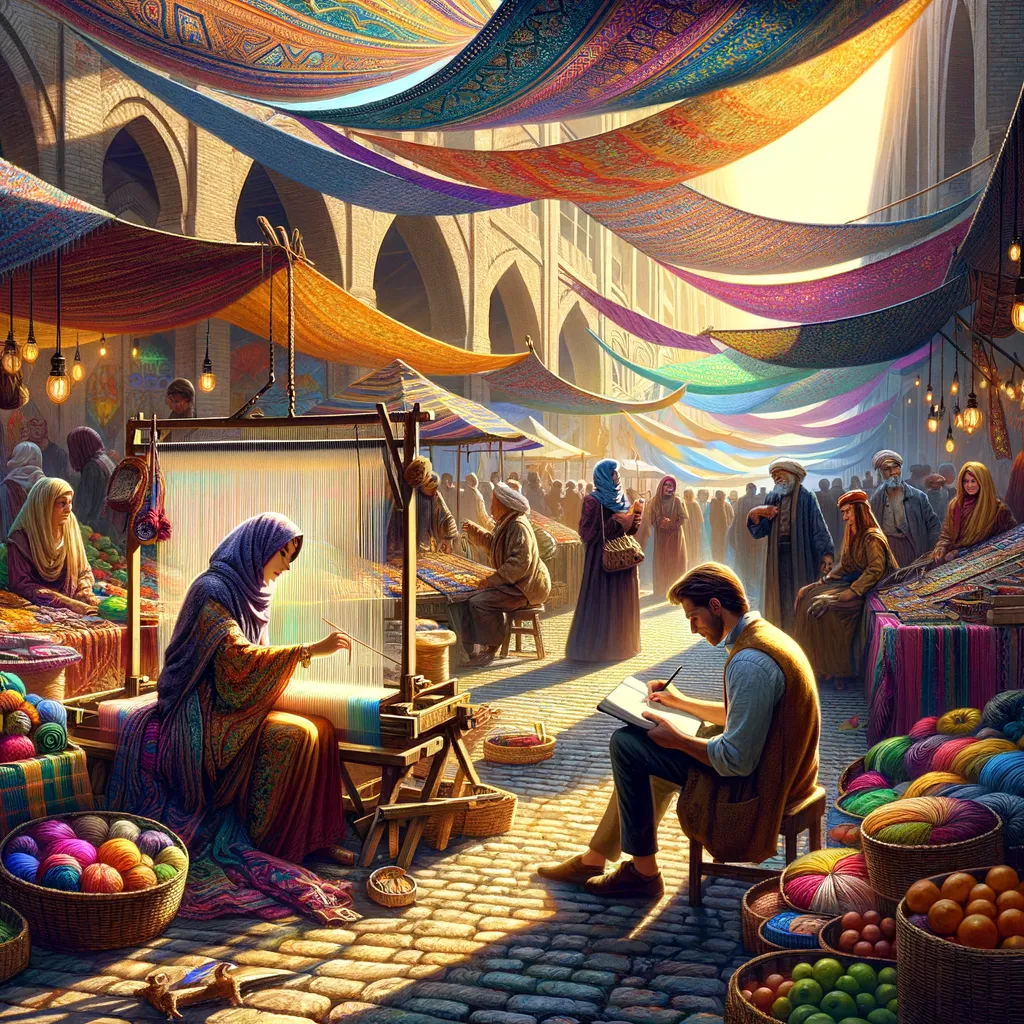
This unexpected journey continued to unfold, revealing layers of complexity in seemingly simple moments. A description of a morning market in a bustling city captured the chaotic harmony of life, where merchants exchanged not only goods but stories, hopes, and dreams. I could almost taste the spices in the air and feel the warmth of connection that thrived amid the chaos. Such interactions were not merely transactions; they were the lifeblood of community, a reminder that even in the throes of modernity, the essence of humanity persisted.
Each turn of the page was a revelation, challenging my preconceived notions and urging me to rethink the narratives I had accepted as truth. The author’s reflections on the fragility of identity were particularly striking. I learned that identity is not a singular truth but rather a mosaic of experiences, shaped by geography, culture, and personal history. This realization was both liberating and daunting, as it prompted me to confront the boundaries I had unwittingly erected around my own understanding of the world.
The more I delved into these narratives, the more I felt the weight of privilege and the burden of ignorance. It became clear that my own experiences were but a sliver of the vast human tapestry. The realization was disconcerting; the world was not just a backdrop to my life but a vibrant stage where countless stories played out daily. The book became a mirror reflecting my own biases and assumptions, forcing me to confront the uncomfortable truth that my perspective was limited, however well-intentioned.
In the days that followed, I sought to embrace this newfound perspective. Conversations with friends shifted from casual banter to profound discussions about identity, belonging, and the stories that shape us. I began to ask questions that had previously gone unexamined, eager to understand the narratives woven into the lives of those around me. The world felt larger and more intricate, filled with nuances that demanded attention and respect.
Yet, with this broader view came a sense of responsibility. I realized that acknowledging other perspectives was not enough; I had to actively engage with them, to listen and learn. It became evident that empathy was not merely a passive state but an active pursuit. I sought out stories, both written and spoken, eager to amplify voices that had long been silenced. My own narrative began to intertwine with those of others, creating a shared journey marked by discovery and understanding.
As December 17 faded into memory, I found myself forever changed by that chance encounter with a forgotten book. The layers of complexity it revealed pushed me to confront the richness of human experience, a testament to the power of perspective. What once felt like a singular path transformed into a labyrinth of possibilities, inviting me to explore the intersections of our stories.
In the end, I was left with a lingering question that echoed in the corridors of my mind: How can we honor the stories of others while still finding our place within the vast tapestry of life?
A forgotten book can unveil the intricate tapestry of human experience, transforming a singular path into a labyrinth of shared stories and perspectives that demand to be honored and explored.