From Shattered Memories to a New Culinary Journey
In a kitchen filled with the comforting aromas of home, a sudden crash shattered the tranquility, scattering the pieces of a cherished ceramic bowl that had held generations of family memories. As the shards glimmered on the floor, they mirrored the chaos of a life unravelling, urging a deep reflection on the fragility of connection and the weight of loss. Yet, in the weeks that followed, this heartbreak ignited a spark of creativity, transforming the kitchen into a sanctuary where new culinary adventures blossomed, each dish a canvas for self-discovery. A serendipitous find at a local market led to a beautifully crafted wooden bowl, symbolizing not just a replacement, but a bridge to new beginnings and the resilience of the human spirit. Through cooking and community, the echoes of the past faded, revealing a vibrant tapestry of friendships and experiences, proving that from the ashes of loss, a richer life could emerge, inviting the question of how our deepest fears might be the very catalysts for our most profound transformations.
In the memory of April 30, 2010, I stood in the kitchen, surrounded by the familiar scents of fresh herbs and simmering tomatoes, when a sudden crash echoed through the air. My heart raced as I turned to see the shattered pieces of a once-vibrant ceramic bowl, a gift from my grandmother, sprawled across the tile floor like a jigsaw puzzle of my past. It was more than just a bowl; it was a vessel of memories, a symbol of warmth and family gatherings, and now it lay in ruins, reflecting the chaos that seemed to seep into every corner of my life.
As I knelt to gather the shards, each fragment sparkled like a broken promise. The bowl had cradled my grandmother’s famous pasta salad at countless family dinners, its curves cradling laughter, stories, and love. Now, it was reduced to a collection of sharp edges and dull memories. I felt a pang in my chest, a sense of loss that resonated deeper than the mere object itself. It was a reminder of the fragility of connection, of how easily something cherished could slip away.
In the weeks that followed, the broken bowl became a metaphor for my own life—a life that seemed to be unraveling. I was in a job that felt increasingly stifling, friendships that had once thrived were fading, and dreams I once chased had dimmed. The bowl had been a tangible link to my past, but now, its absence forced me to confront the emptiness that had crept into my present. It was as if the universe had conspired to nudge me toward a realization I had long ignored: I needed to rebuild, not just physically but emotionally and spiritually.
Determined to fill the void left by the shattered bowl, I sought solace in new endeavors. I began experimenting with cooking, not just as a necessity, but as a creative outlet. Each dish became a canvas where I painted my emotions with spices and flavors, transforming the kitchen into a sanctuary of self-discovery. I replaced the sorrow of loss with the joy of creation, learning that I could forge connections through food, even if those connections were to myself.
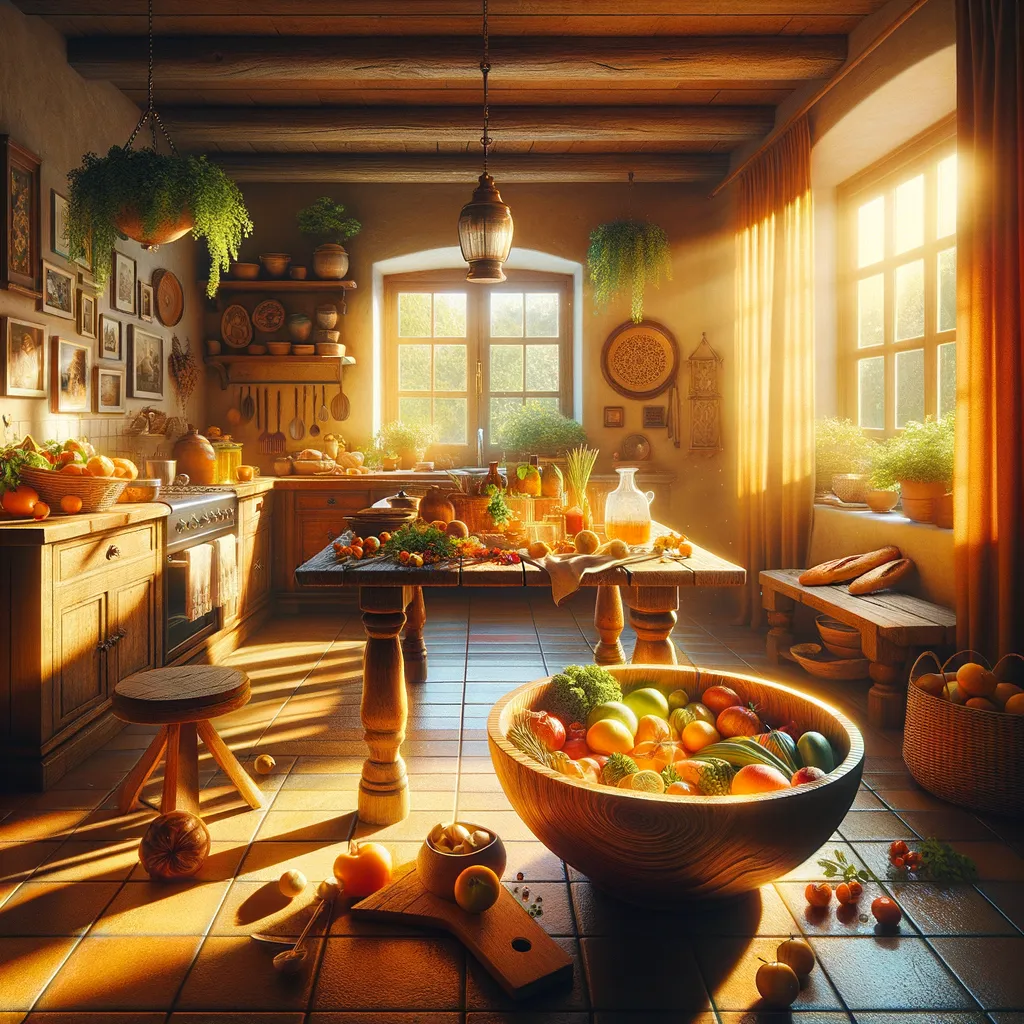
Months passed, and the kitchen became my refuge. One day, while perusing a local artisan market, I stumbled upon a beautifully crafted wooden bowl, its surface polished and smooth, reflecting the light in a way that beckoned me closer. It was not just any bowl; it felt imbued with a sense of history and possibility. Without hesitation, I purchased it, recognizing that it was not a replacement for my grandmother’s bowl, but rather a new chapter in my culinary journey.
As I held the wooden bowl in my hands, I felt a strange sense of continuity. It was a bridge between the past and the present, a reminder that while some things may break, new possibilities await. This bowl would hold not only food but also the stories I was beginning to create—my own laughter, my own recipes, and perhaps even my own legacy. Each meal prepared in that bowl became a celebration of resilience, a testament to the beauty of transformation.
The act of cooking had sparked a broader awakening in me. I began to explore new friendships, seeking those who shared my passion for food and connection. Potlucks and dinner parties flourished, and soon, my home became a gathering place for laughter and warmth, much like my grandmother’s had once been. I learned that community could be built anew, that bonds could be forged from the ashes of loss.
In time, the memory of that broken bowl faded, replaced by the vibrant life I was cultivating around me. I realized that loss, while painful, could also serve as a catalyst for growth. It taught me that every ending carries the seeds of a new beginning, that breaking can lead to blossoming in unexpected ways. The wooden bowl now stood as a symbol of my journey, a reminder that I could reshape my narrative even when life seemed to fracture.
As I reflect on that fateful day, I am struck by the paradox of loss and creation. The act of letting go often opens the door to new experiences, to discovering facets of ourselves we never knew existed. In the wake of brokenness, we can find the strength to rebuild, to redefine our relationships with both the past and the future.
What if the very things we fear losing are the catalysts for the most profound transformations in our lives?
In the delicate dance of loss and creation, shattered fragments often reveal the path to unexpected growth and renewal.