Unveiling Creativity: A Journey from Fear to Inspiration
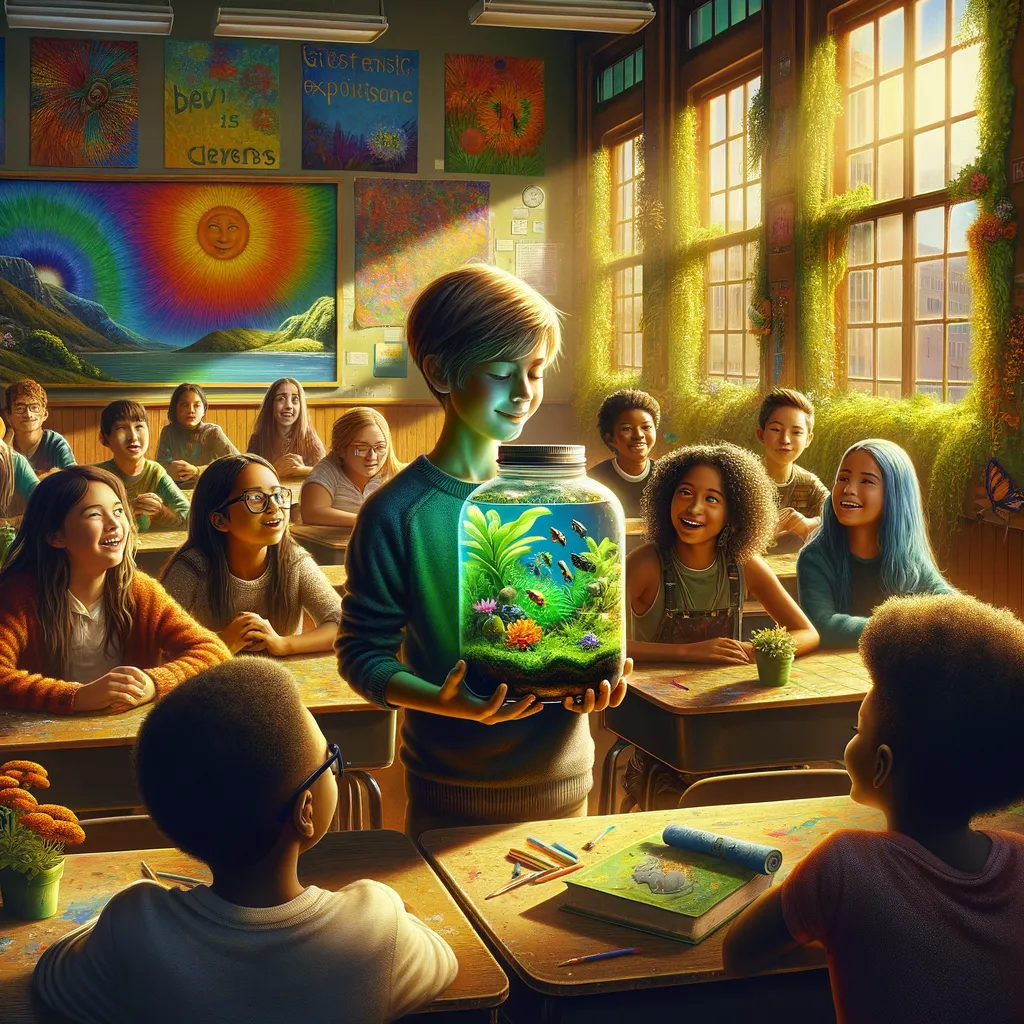
In a dimly lit classroom thick with anticipation, a young student faced a daunting assignment that seemed to overshadow their creativity. As anxiety bubbled within, a spark of inspiration ignited a vision: a miniature ecosystem housed in a repurposed plastic bottle. With a rush of urgency, they gathered materials, transforming discarded items into a living project that symbolized nature’s delicate balance. When the moment of presentation arrived, their terrarium captivated classmates, shifting the atmosphere from competition to collective wonder, revealing the profound connection between creativity and collaboration. This experience became a compass for navigating life’s challenges, teaching that within every constraint lies the potential for discovery and transformation, urging us to embrace the unexpected and cultivate the artistry of existence.
In the memory of October 3, 2003, I stood in a dimly lit classroom, the air thick with anticipation and the scent of chalk dust. It was a day when creativity was not just a skill but a necessity. The assignment was deceptively simple: create a project that represented our understanding of ecosystems. Yet, as I looked around, the anxiety bubbled in me like a pot on the brink of boiling over. Each classmate clutched their meticulously planned presentations, while I felt like a ship lost at sea, adrift without a compass.
As the clock ticked down, a flicker of inspiration sparked within me, igniting a fire that had long lain dormant. I recalled a childhood fascination with the intricate dance of nature, the way the smallest organisms could influence the grand tapestry of life. Suddenly, I envisioned a living project, one that could breathe and grow—a miniature ecosystem in a glass terrarium. But the challenge lay in execution. How could I, with limited resources and time, bring this vision to life?
With a sense of urgency, I scoured the classroom for materials. A discarded plastic bottle caught my eye, its transparent surface gleaming like a canvas waiting to be painted. I carefully transformed it, cutting and reshaping it into a vessel that would house my vision. The thrill of creation surged through me, each snip of the scissors a step closer to the heart of my idea. I gathered soil, tiny pebbles, and even a few resilient plants that had survived the dry season, each element a testament to nature’s tenacity.
As I assembled my makeshift ecosystem, I marveled at the delicate balance I was striving to achieve. It felt like a microcosm of life itself, a reminder of the interconnectedness that pulses beneath the surface of our world. I poured my energy into every layer, envisioning the way roots would intertwine, how moisture would cycle, and how life would flourish. Each decision was imbued with purpose, a dialogue between my imagination and the constraints of reality.
When the time came to present, I felt a mix of dread and exhilaration. As I unveiled my terrarium, a hush fell over the room. I explained not just the science behind it, but the artistry of creation—the way beauty and function could coexist. It was in that moment, standing before my peers, that I discovered the profound connection between creativity and problem-solving. My project was more than a mere assignment; it was a reflection of my unique flair, a manifestation of my ability to weave together disparate threads into something cohesive and alive.
The response was overwhelming, a chorus of surprise and admiration. My classmates, who had meticulously prepared their traditional projects, were drawn into the swirling world within the glass. They asked questions, their curiosity ignited, and I reveled in the exchange. It was not just about showcasing knowledge but about inspiring wonder, an unexpected twist that reshaped the classroom dynamic. I realized that creativity could transcend the confines of academic achievement; it could evoke emotions, spark conversations, and even bridge divides.
Yet, as I basked in the afterglow of my success, a deeper understanding began to unfurl. This moment of triumph was not solely mine; it was a collective experience, a reminder that we all possess the capacity for ingenuity. It highlighted the importance of collaboration, of sharing our unique perspectives to enrich the tapestry of our lives. The classroom became a microcosm of the world beyond its walls, where ideas could flourish when nurtured by the diverse soil of human experience.
In the years that followed, I carried that lesson with me, navigating the complexities of life with a newfound appreciation for creativity. It became my compass, guiding me through challenges both big and small, reminding me that solutions often lie just beneath the surface, waiting to be unearthed. I learned to embrace the unexpected, to dance with ambiguity, and to see problems not as roadblocks but as invitations to explore the uncharted territories of imagination.
Now, as I reflect on that pivotal day, I ponder the larger questions that linger in the air like autumn leaves caught in a gentle breeze. How often do we allow the constraints of our circumstances to stifle our creativity? What hidden gems of ingenuity lie dormant within us, waiting for the right moment to emerge? In the dance of life, how can we cultivate a spirit of discovery, transforming challenges into opportunities for artistic expression and profound connection?
In the heart of creativity lies a powerful reminder that constraints can be the very soil from which the most extraordinary ideas blossom.


